悩み
涙やけ、食いつき、便、皮膚、体重など優先順位を決める。

SMALL DOG FOOD & CARE GUIDE
涙やけ、食いつき、便のゆるさ、皮膚や毛並み、体重管理。小型犬によくある悩みから原因の見方とドッグフード選びの基準を整理し、愛犬に合う一品へ案内するごはん相談サイトです。

TROUBLE GUIDE
HOW TO CHOOSE
ドッグフードはランキングだけで決めるより、愛犬の悩みと体質から候補を絞る方が失敗しにくくなります。小型犬は口が小さく、食べムラや涙やけ、体重管理の悩みも出やすいため、粒の大きさ、主原料、脂質、口コミの傾向をセットで確認しましょう。
涙やけ、食いつき、便、皮膚、体重など優先順位を決める。
主原料、穀物、脂質、粒サイズ、年齢に合うかを確認。
価格と口コミだけでなく、続けやすさと相性で見る。
RECOMMEND RANKING

.jpg)

ドッグフード
ドッグフードを安く買いたいと思った時に、ホームセンターを見に行く飼い主さんは多いですよね。 でも、あまりに安いと 「添加物が多そう」「原材料は安全?」 と不安になることもあるでしょう。 この記事では、安くても体にやさしいドッグフードの選び方と、 ペットフード安全管理者の資格を持つ私がおすすめする、ホームセンターで買える
主原料:鶏肉、オーツ麦、コーン、えんどう豆
ドライフード
当サイトは、 FAVEONEをAランクと評価しました。 原材料に不安を覚えるような要素は特に認められません。そればかりか、 品質や製造管理に高い信頼性を感じられるドッグフードです。 健康維持に役立つ成分が複数取り入れられているので、子犬からシニア犬まで幅広い層に合わせやすいのもメリットでしょう。 チキン・ポテトそのもの
主原料:チキン、ターキーとサーモン60%(鮮度の高いチキン20%、乾燥チキン14%、鮮度の高いターキー7%、鮮度の高いサーモン7%、乾燥ターキー7%、乾燥サーモン3%、チキンストック2%)、サツマイモ(22%)
ドライフード
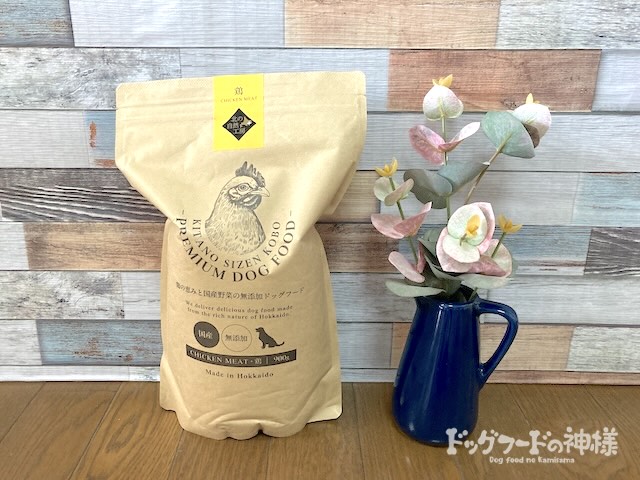
当サイトは、 北の自然工房ドッグフードをBランクと評価しました。 北海道産の食材を使い、低温・低圧製法で仕上げられているドッグフードです。 第一主原料には生肉を使用。旬の野菜や霊芝・アガリクスといった13種類のキノコなども取り入れ、健康サポート面も考えられています。 また、酸化防止剤・防腐剤など不使用で、ノンオイルコー
主原料:鶏肉(生肉)、大麦全粒粉、魚粉、サツマイモ、玄米粉
ドライフード
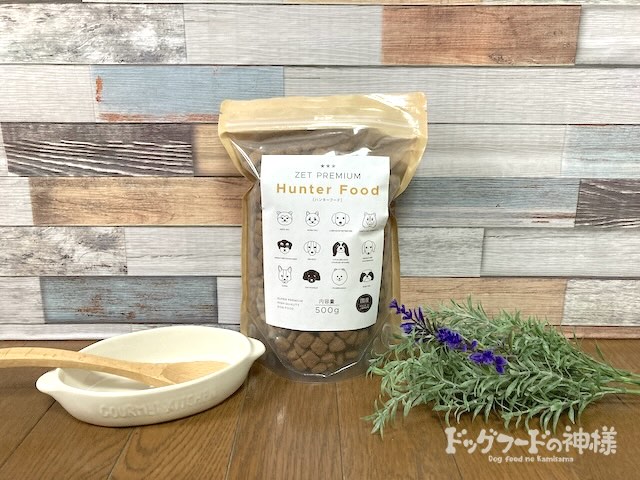
ゼットハンターフードは、基本情報や口コミ傾向を比較しながら検討したいドッグフードです。主原材料は穀類(トウモロコシ、コーングルテンフィード、小麦ふすま、米糠、コーングルテンミール)、肉類(ミートミール、チキンミール、ポークミール)、豆類(脱脂大豆、乾燥おから等)、動物性油脂で、素材の内容を確認しながら選べます。対象年齢
主原料:穀類(トウモロコシ、コーングルテンフィード、小麦ふすま、米糠、コーングルテンミール)、肉類(ミートミール、チキンミール、ポークミール)、豆類(脱脂大豆、乾燥おから等)、動物性油脂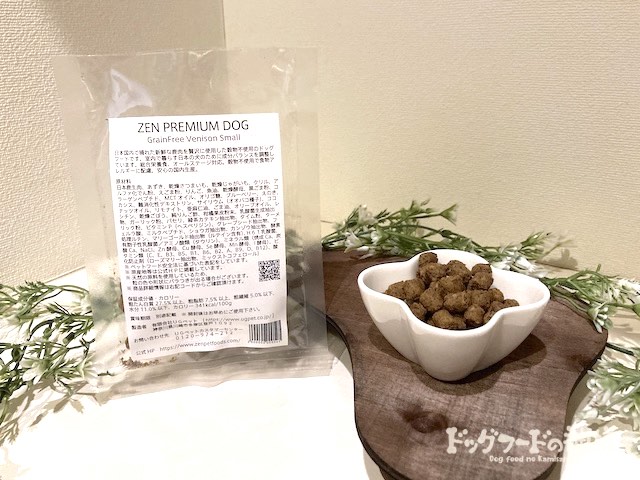
ドライフード
国産ドッグフード「ZEN」は、基本情報や口コミ傾向を比較しながら検討したいドッグフードです。主原材料は日本鹿生肉、あずき、乾燥さつまいも、乾燥じゃがいもで、素材の内容を確認しながら選べます。対象年齢は全年齢対応とされています。特徴としては、グレインフリー、無添加、国産などが挙げられます。当サイトは、 ZENをAランクと
主原料:日本鹿生肉、あずき、乾燥さつまいも、乾燥じゃがいも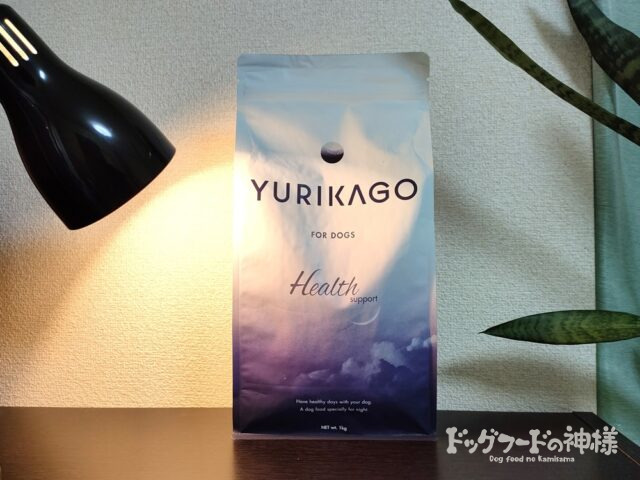
の商品なので、実際のところどうなのか?気になっている方も多いでしょう。 そこで、これまで300種類を超えるドッグフードを調査してきた当サイトでは、今回ユリカゴを手に取って検証していきます。
ユリカゴは、基本情報や口コミ傾向を比較しながら検討したいドッグフードです。主原材料は生鹿肉17%、生加水分解白身魚16.5%、サツマイモ、ジャガイモ、乾燥加水分解白身魚14.5%で、素材の内容を確認しながら選べます。対象年齢は全年齢対応とされています。特徴としては、グレインフリー、無添加、ヒューマングレードなどが挙げら
主原料:生鹿肉17%、生加水分解白身魚16.5%、サツマイモ、ジャガイモ、乾燥加水分解白身魚14.5%

ドッグフード
ヨークシャーテリアに合う餌は?評判は、基本情報や口コミ傾向を比較しながら検討したいドッグフードです。主原材料は鶏肉(ささみ、胸肉、レバー)、玄米、大麦で、素材の内容を確認しながら選べます。特徴としては、グレインフリー、小麦グルテンフリー、無添加などが挙げられます。「ヨーキー」の愛称でも親しまれているヨークシャーテリア。
主原料:鶏肉(ささみ、胸肉、レバー)、玄米、大麦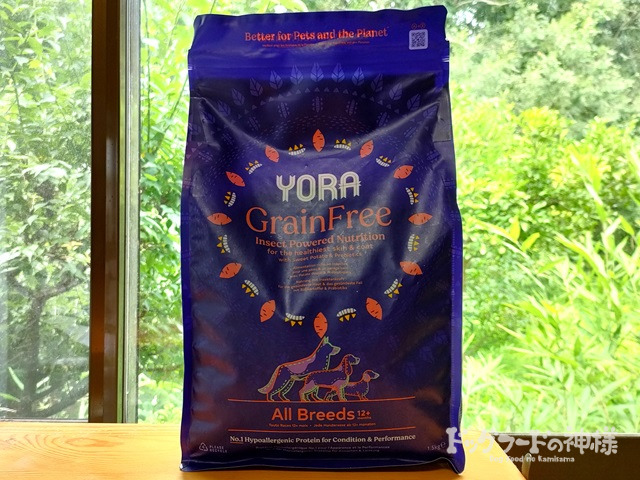
ドライフード
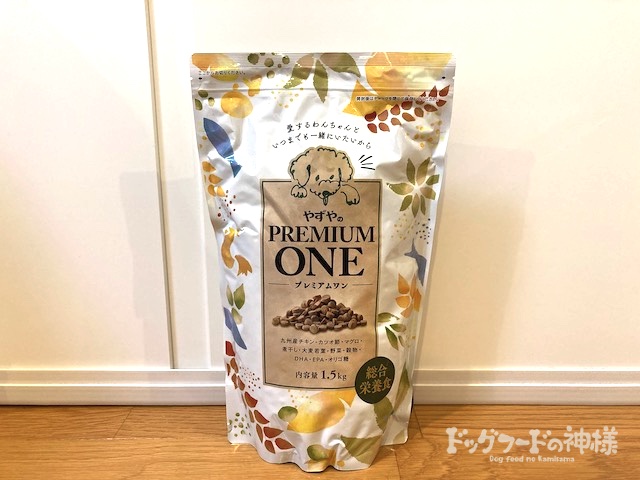
やずやプレミアムワンは、基本情報や口コミ傾向を比較しながら検討したいドッグフードです。主原材料は鶏肉、大麦、玄米、米ぬかで、素材の内容を確認しながら選べます。対象年齢は成犬用(小型犬の場合生後約10ヵ月/大型犬の場合生後約15ヶ月から)とされています。特徴としては、グレインフリー、小麦グルテンフリー、無添加などが挙げら
主原料:鶏肉、大麦、玄米、米ぬか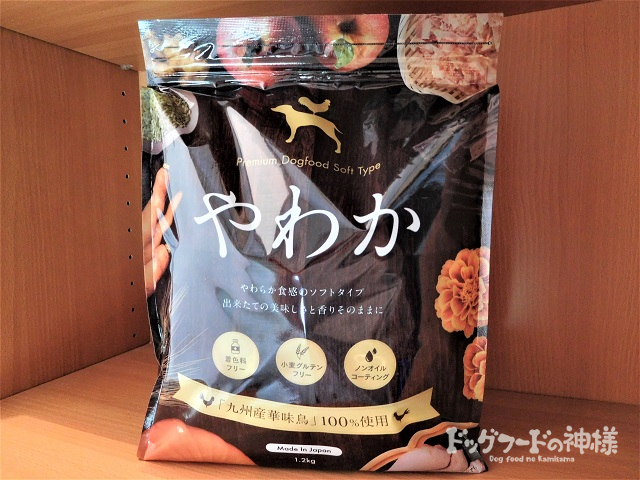
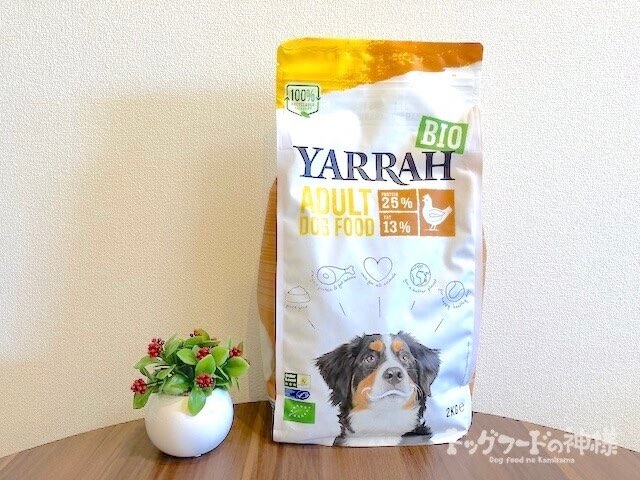
があり、おやつなどを含めると全部で17種類が販売されています。 「オーガニックペットフードと言えばヤラー」と囁かれるほど、オーガニックにこだわる愛犬・愛猫家たちの間で定番の商品です。 そんなヤラーの定番商品 「オーガニックドッグフードチキン」 を実際に購入し、粒や香りはどんなものなのか調査してみました! ここでは、 ヤラーの
ヤラーは、基本情報や口コミ傾向を比較しながら検討したいドッグフードです。主原材料は乾燥鶏肉、オーツ麦、トウモロコシ、小麦、鶏脂で、素材の内容を確認しながら選べます。対象年齢は一般成犬用とされています。特徴としては、グレインフリー、無添加、国産などが挙げられます。当サイトは、 ヤラーをAランクと評価しました。ヤラーの素晴
主原料:乾燥鶏肉、オーツ麦、トウモロコシ、小麦、鶏脂条件に合う商品がありません。
SMALL DOG COLUMN
FAQ
粒の大きさ、主原料、カロリー、対象年齢、食いつきの口コミを確認しましょう。小型犬は口が小さいため、食べやすい粒サイズかどうかも重要です。
口コミは食いつきや香り、便の状態などを知る手がかりになります。ただし愛犬の体質によって合う・合わないがあるため、原材料や対象年齢と合わせて比較するのがおすすめです。
販売価格だけでなく、内容量、1日あたりの給与量、定期購入の有無を確認しましょう。長く続けるフードほど、1袋あたりではなく継続コストで比較すると選びやすくなります。
必ずしも全ての犬に必要ではありません。穀物に配慮したい場合やアレルギーが気になる場合は候補になりますが、主原料や栄養バランスも含めて判断しましょう。